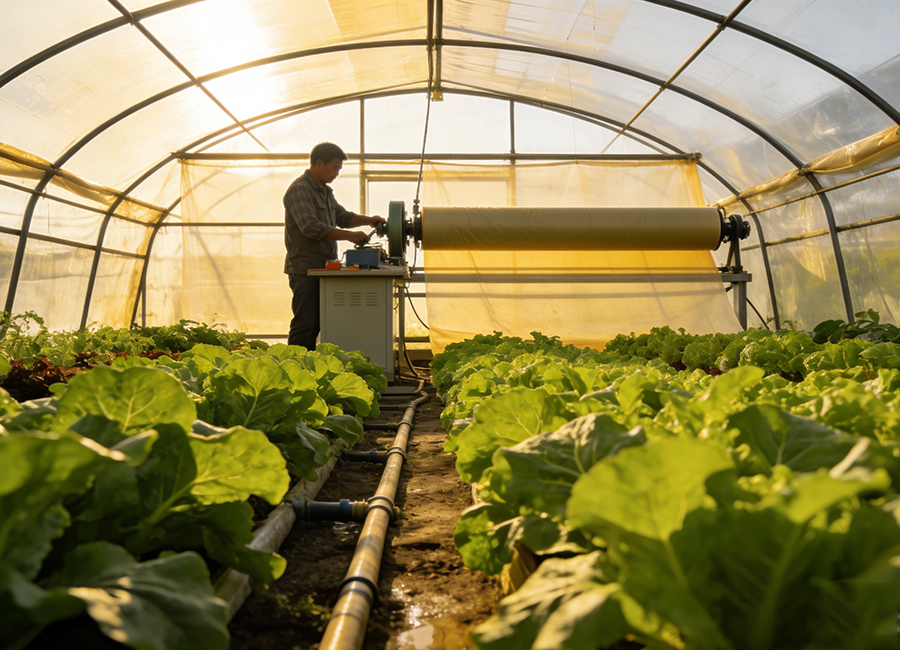
How to Grow Plants Well Using Greenhouse Equipment
The core of greenhouse cultivation lies in regulating the environment through equipment to provide stable growth conditions for plants and achieve high yield and quality. To make good use of greenhouse equipment, it is necessary to focus on three core aspects: equipment selection, environmental control, and daily maintenance. Combine these with the requirements of the plants and operate them in a standardized manner. The specific steps are as follows:
1. Select the right greenhouse and core equipment.
Based on the region, scale, and plant variety, choose a greenhouse: in the north, a solar greenhouse is selected, along with insulation covers and curtain controllers; for large-scale cultivation, a multi-span greenhouse is chosen, suitable for automated equipment; in the south for short-term cultivation, a low-cost plastic greenhouse can be selected. Core equipment should cover temperature, light, water, air, and fertilizer, including temperature control (hot air furnaces, wet curtain fans), light control (supplemental lighting, shading nets), irrigation (drip irrigation/sprinkler irrigation), ventilation (ventilation openings, circulating fans), and fertilization (water fertilizer mixers).
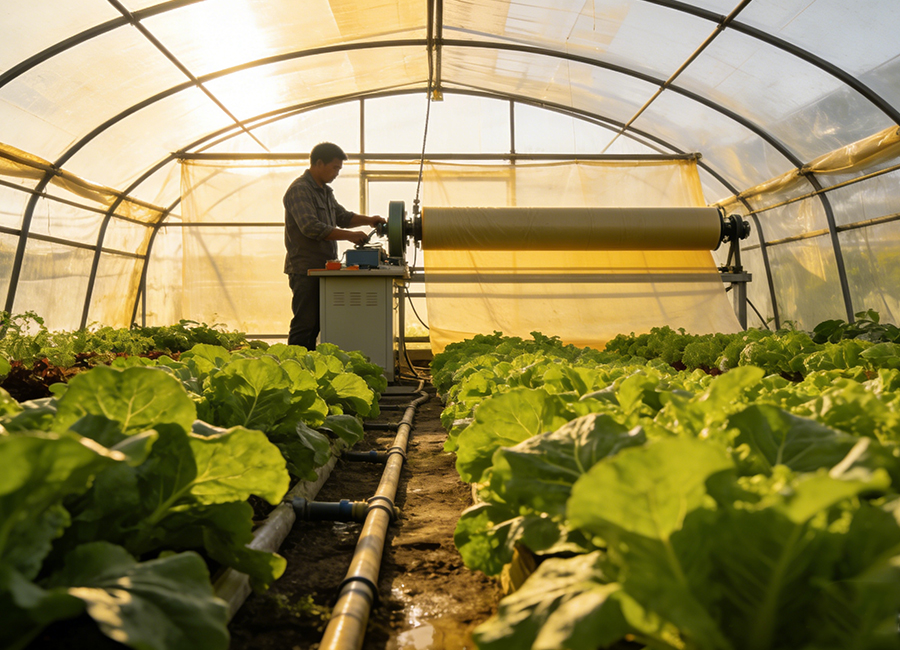
2. Precisely control environmental parameters.
The temperature should be maintained between 15-25℃. In winter, use heating equipment in combination with insulation covers, and in summer, rely on ventilation and wet curtain fans for cooling. When there is insufficient light, use supplementary lighting for 8-12 hours, and in summer with strong light, use shading nets for shading. Watering should be done using drip irrigation/spur irrigation, adjusting the frequency as needed to avoid waterlogging; use a water fertilizer mixer for precise fertilization, supplementing nutrients as needed during the growth period. Ventilate for 1-2 hours per day, supplementing carbon dioxide during photosynthesis periods, and reducing pests and diseases.
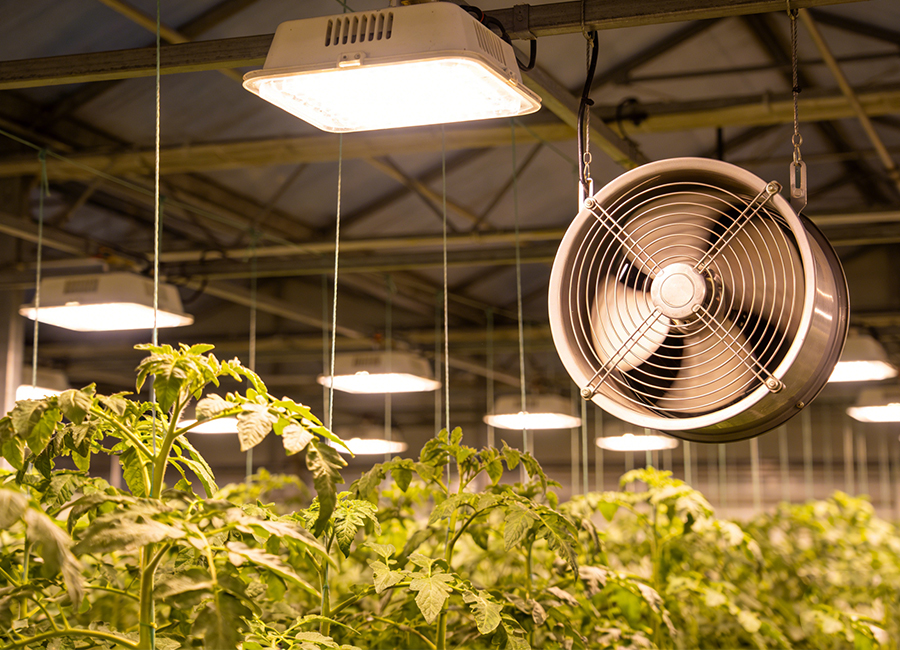
3. Do a good job in equipment maintenance and planting coordination.
Regularly inspect the equipment, clean the pipelines, clean the greenhouse film and supplementary lighting devices, and take protective measures for winter and summer seasons to avoid equipment failures. When planting, select varieties resistant to pests and diseases and adapted to the greenhouse environment. Regularly improve the soil, disinfect, and promptly prune and prune fruits, and combine physical or low-toxic pesticides for disease and pest control.
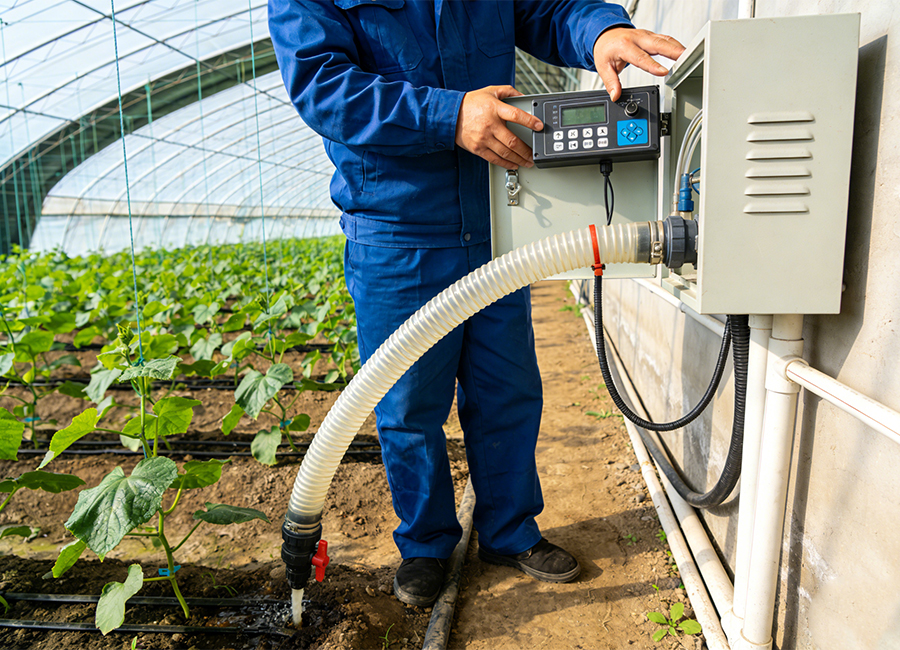
In summary, when using greenhouse equipment for cultivation, the key lies in precisely regulating the environment, scientifically maintaining the equipment, and operating in a way that is in line with the growth needs of the plants. This allows us to break free from the limitations of natural climate and achieve high-quality and high-yield plants.