Greenhouse Hydroponic Core Equipment: NFT vs Aeroponics vs DFT System Selection Guide
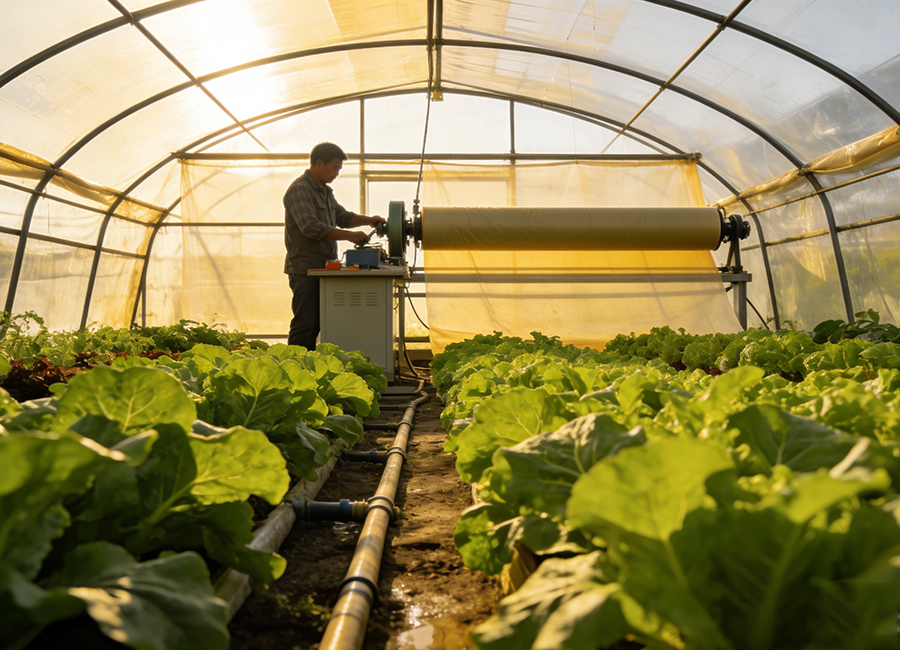
NFT System: Adopts inclined lightweight planting troughs. Nutrient solution flows continuously along the bottom of the root zone in a thin film (0.5-1cm), moistening only the lower part of the root system to ensure sufficient oxygen contact. The system consists of planting troughs, liquid supply pumps, return pipes, and nutrient solution tanks, featuring a minimalist structure and flexible installation.

Aeroponic System: Converts nutrient solution into micron-sized droplets through high-pressure atomizers, which are uniformly sprayed onto the surface of suspended root systems. Roots are fully exposed to air and absorb water and nutrients solely through the droplets. Core components include atomizing nozzles, high-pressure pumps, closed planting boxes, and environmental sensors.
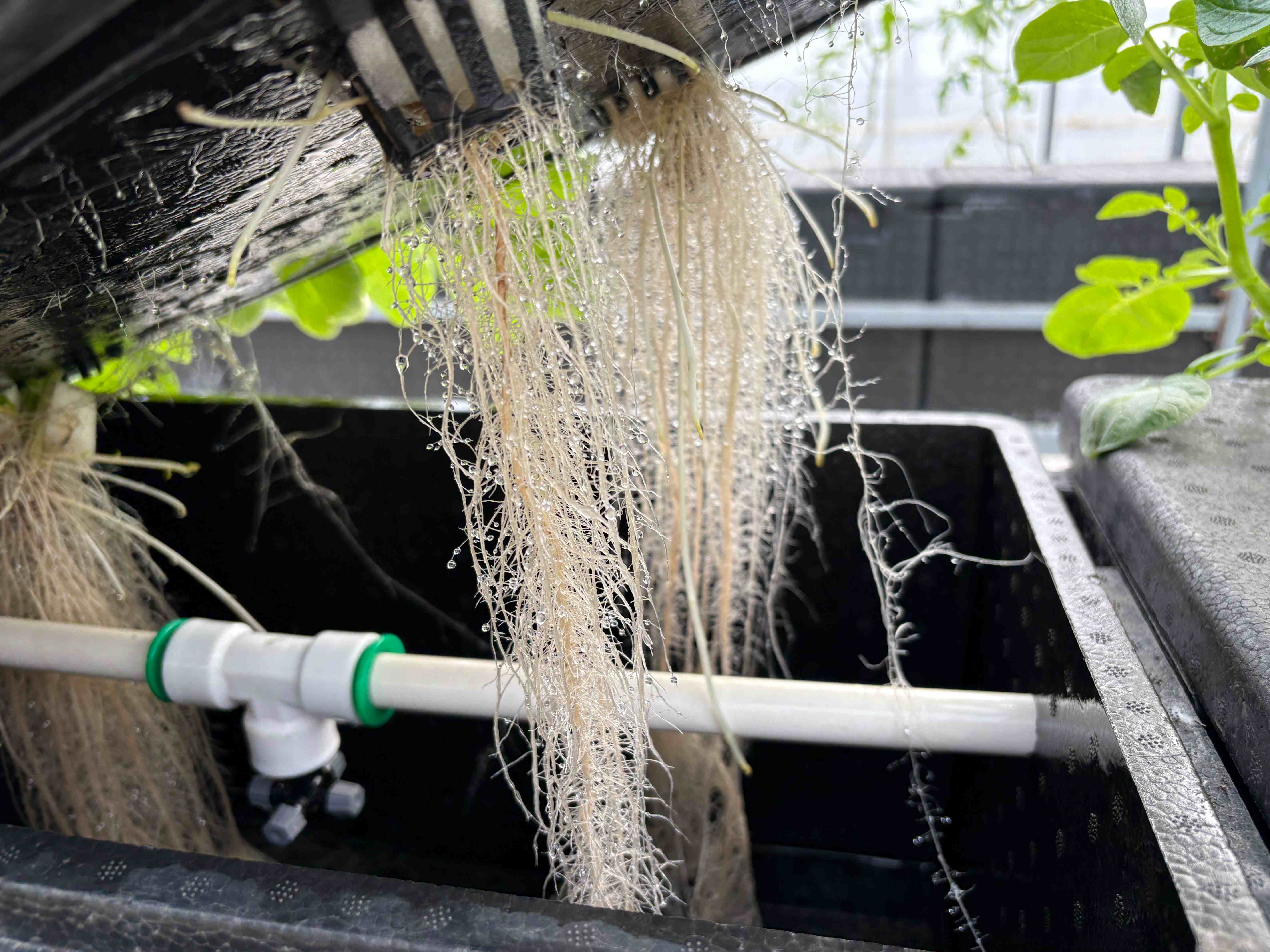
DFT System: Maintains 5-10cm deep nutrient solution in the planting troughs. Roots are partially submerged in the solution and partially exposed to the moisture layer above the liquid surface. The system is equipped with aeration devices that increase dissolved oxygen in the nutrient solution through air bubbles, preventing root rot due to oxygen deficiency.

Startup Hydroponic Factories: Prioritize the NFT system. Low-cost investment enables large-scale planting with simple maintenance and high fault tolerance. It is suitable for focusing on basic leafy vegetable categories to quickly recover funds.
High-End Crop Cultivation: The aeroponic system is the first choice. Sufficient oxygen supply increases crop growth rate by 30%-50%, and the products have high cleanliness. It is suitable for growing high-end herbs, organic leafy vegetables, or seedling cultivation, with significant profit margins.
High-Capacity Stable Output: Recommend the DFT system. The large volume of nutrient solution provides strong environmental buffering capacity, with small fluctuations in temperature and EC value. It is suitable for long-term large-scale cultivation of fruiting vegetables to ensure stable production.
Export Order-Oriented Operations: The NFT and DFT systems have more advantages. The former has low water and fertilizer costs, suitable for controlling the pricing of exported products; the latter has stable production capacity, capable of meeting the demand for large-volume continuous supply, both in line with foreign buyers' requirements for cost and delivery time.
Cost-Benefit Balance: The initial investment of the aeroponic system is 2-3 times that of the NFT system, but long-term water and fertilizer savings and production capacity improvements can offset the cost. Decisions should be based on the expected return cycle.
Crop Characteristic Matching: Crops with shallow roots and high oxygen demand (such as lettuce) are suitable for the NFT system; crops with long growth cycles and high fertilizer requirements (such as tomatoes) are more suitable for the DFT system; aeroponics can be used during seedling cultivation to improve seedling survival rate.
Regional Environmental Adaptation: In high-temperature and high-humidity areas, attention should be paid to ventilation and dehumidification of the aeroponic system to avoid mold growth; in cold northern winter areas, the DFT system has lower nutrient solution insulation costs and stronger stability.
Technical Team Configuration: The aeroponic system has high requirements for operational technology and requires professional personnel to maintain equipment; if the team has limited experience, it is recommended to start with the NFT system and gradually upgrade the equipment.