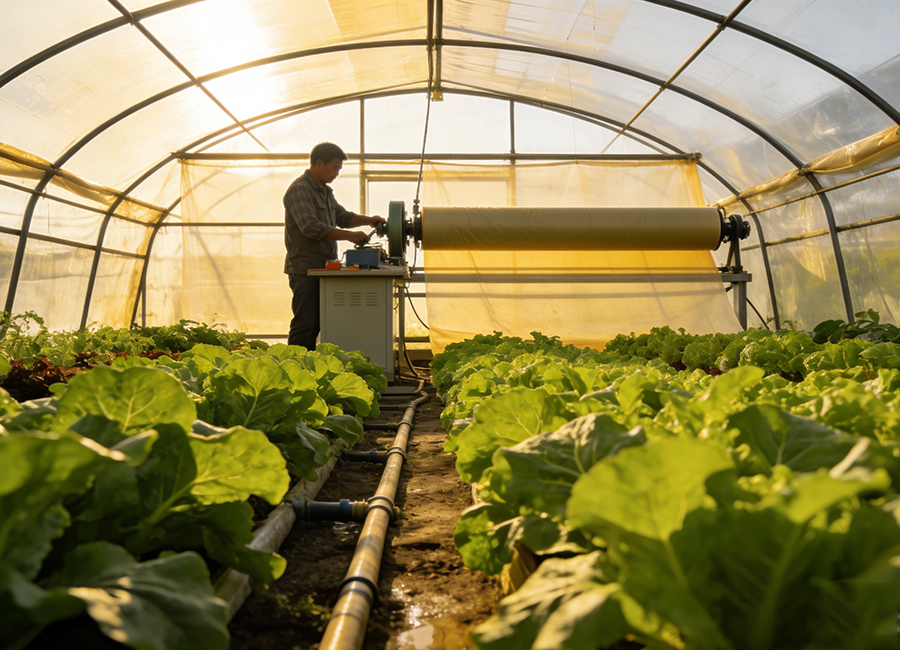
Commercial Greenhouse Mushroom Cultivation: High-Yield, Automated Systems for Global Growers
🌿 What Is Greenhouse Mushroom Cultivation?
Controlled Environment: Arch-shaped or multi-span greenhouses maintain precise temperature (15–25°C), humidity (80–95%), and CO₂ levels—ideal for fungal growth.
Modular Growing Solutions:
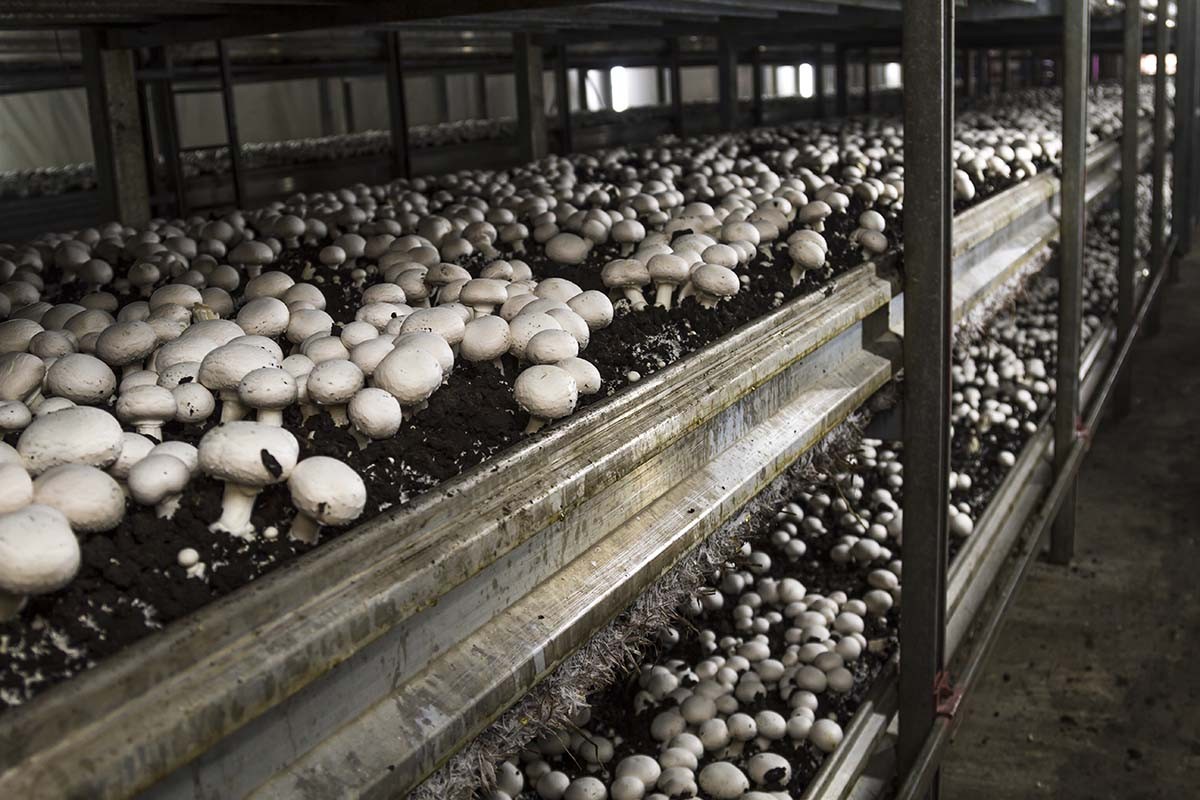
Vertical rack systems (for button mushrooms) maximize space efficiency, with 3–5 layers of growing beds per unit.
Spawn bag cultivation (for shiitake, oyster mushrooms) uses stacked, sterilized substrate bags to reduce contamination risk.
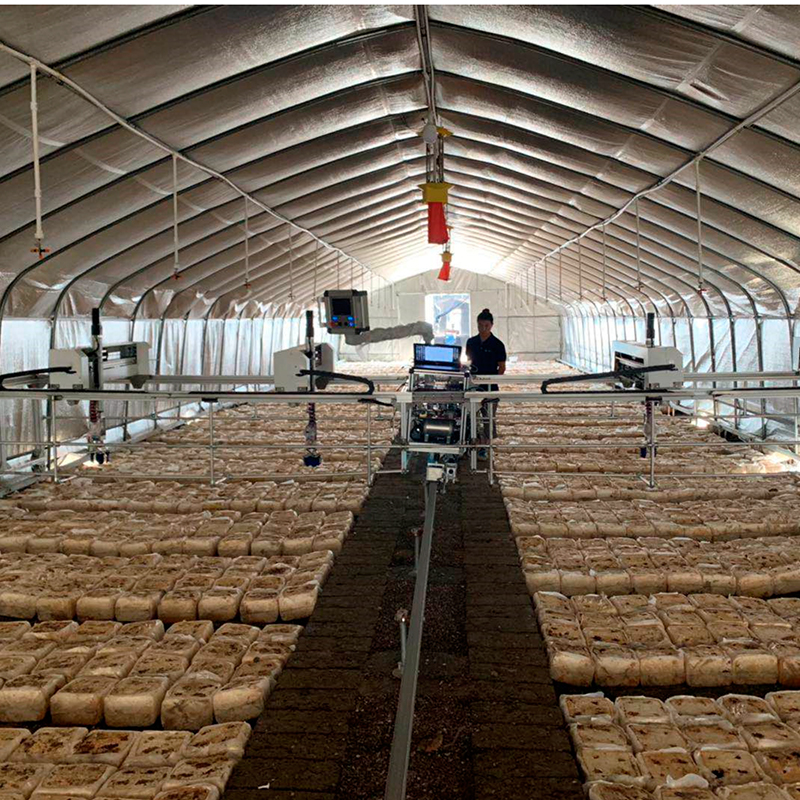
Automated Management: Sensors, irrigation systems, and climate controllers adjust conditions in real time, while robotic harvesters (as seen in automated facilities) cut labor costs.
🚀 Core Advantages for Overseas Growers
1. Year-Round Production & Stable Yields
Climate control eliminates risks from frost, drought, or heavy rain—critical for regions like Northern Europe, Canada, or Southeast Asia with extreme weather.
For example, a 1,000㎡ greenhouse can produce 15–20 tons of button mushrooms annually, 2–3x higher than outdoor yields.
2. Premium Quality & Export Compliance
Controlled Hygiene: Closed environments + sterilized substrate reduce contamination, meeting EU organic certification and US FDA food safety requirements.
Consistent Size & Flavor: Automated nutrient delivery and humidity control produce mushrooms with uniform texture and taste—ideal for high-end retail and restaurant markets in the EU, US, and Japan.
3. Space Efficiency & Scalability
Vertical rack systems and stacked spawn bags use 3–5x more space than ground cultivation, making them ideal for land-scarce regions (e.g., Netherlands, Japan, urban areas in the US).
Modular design allows growers to scale production from small family farms to large commercial facilities, matching output to market demand.
4. Lower Labor & Operational Costs
Automated climate control and robotic harvesting cut labor requirements by 40–60%, a key benefit for regions with high labor costs (e.g., Western Europe, Australia).
Recirculating humidity systems and substrate recycling reduce water and material waste, lowering long-term operational costs by 25–30%.
🌍 Global Application Scenarios
1. High-End Export Markets (EU, US, Japan)
2. Arid & Cold Regions (Middle East, Canada)
3. Urban Agriculture (Singapore, South Korea)
🍄 Ideal Mushroom Varieties for Greenhouse Cultivation
Button Mushroom: Best for large-scale commercial export. Fast growth and high yield stability make it a top choice for global markets.
Shiitake: Ideal for Asian and global premium markets. High value and long shelf life support profitable export to Japan, the EU, and the US.
Oyster Mushroom: Perfect for local retail and food service. Fast turnover and low substrate cost make it accessible for small to mid-scale growers.
King Oyster: Suited for fine dining and specialty markets. Premium pricing and dense texture appeal to high-end restaurants in Europe and North America.