Fertilizer applicator: The "Precise Nutrient Manager" of Modern Agriculture
Throughout the long history of agricultural production, fertilization has been a crucial step in ensuring high crop yields. From the time-consuming and labor-intensive manual fertilization to the efficient and precise fertilization methods of today, the transformation of agricultural fertilization methods is driving modern agriculture towards large-scale and intelligent development. As an important component of modern agricultural equipment, the fertilizer applicator, with its unique advantages, has become a "valuable helper" for farmers in the fields.
The types of fertilizer applicators are diverse, suitable for different planting scenarios and requirements. In large-scale field operations, the tractor-mounted fertilizer applicator, with its large-capacity material box and wide-width spreading device, can quickly complete the fertilization task of thousands of acres of farmland, achieving a spreading uniformity far exceeding manual operation; in orchard planting, the crawler-type fertilizer applicator is small and flexible, able to freely move among the tree rows, using deep application technology to precisely deliver fertilizer to the vicinity of the plant roots, reducing nutrient loss; in facility agriculture, the small electric fertilizer applicator, combined with a drip irrigation system, realizes integrated water and fertilizer irrigation, allowing the plant roots to absorb nutrients as needed, saving water and fertilizer.
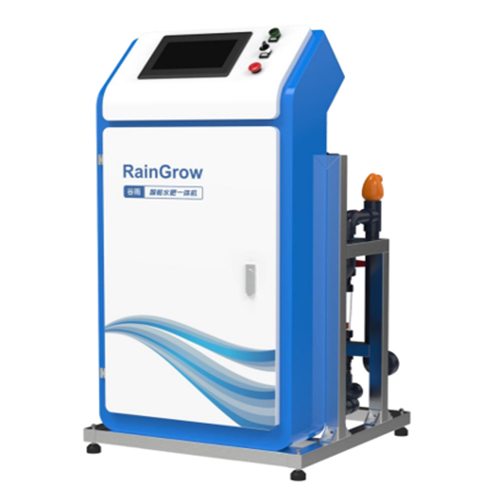
Precision and efficiency are the core advantages of the fertilizer applicator. Traditional manual fertilization not only has high labor intensity but also has problems such as uneven spreading and fertilizer waste. However, the fertilizer applicator, through mechanical transmission and intelligent control technology, can precisely adjust the amount of fertilizer applied and the spreading range, ensuring that every plant receives balanced nutrients. Taking the intelligent fertilizer applicator as an example, its sensors can monitor soil fertility and crop growth conditions in real time, combined with big data analysis, automatically adjust the fertilization plan, with fertilizer utilization rates increasing by more than 30% compared to manual fertilization, reducing production costs and improving crop yield and quality.
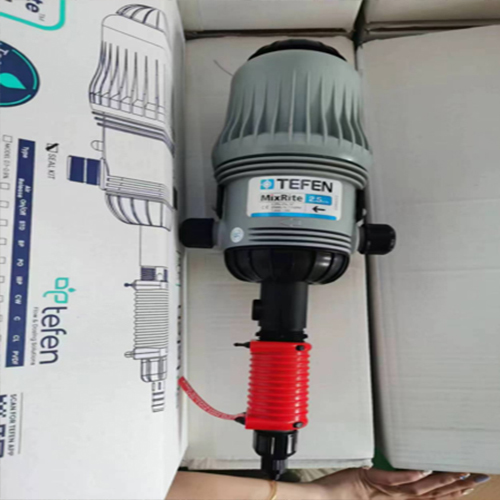
In addition, the promotion and application of fertilizer applicators also contribute to agricultural green development. Excessive fertilization was once an important cause of agricultural non-point source pollution. The precise application of fertilizers by fertilizer applicators has reduced fertilizer residue pollution to the soil and water bodies. At the same time, some new fertilizer applicators can be adapted to environmentally friendly fertilizers such as organic fertilizers and biological fertilizers, promoting ecological agriculture development and strengthening the defense line for agricultural product quality.
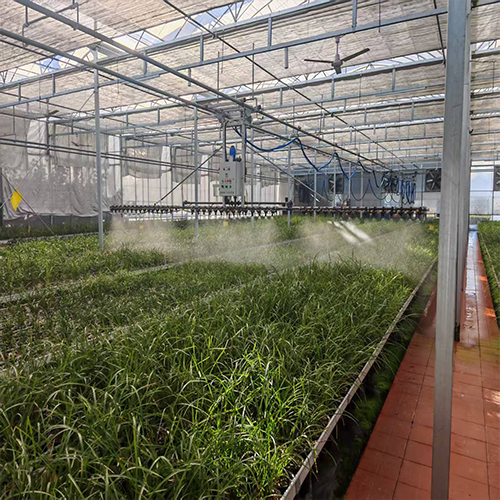
From manual to mechanical, from crude to precise, the development of fertilizer applicators has witnessed the pace of agricultural modernization. With the continuous advancement of technology, intelligent fertilizer applicators integrating technologies such as the Internet of Things and artificial intelligence will gradually become widespread, injecting more technological impetus into agricultural production and helping to achieve the strategic goal of "storing grain in the land and storing technology". This will broaden the path of modern agricultural development.