Containerized duck and goose farming model: A new cost-effective and efficient method for waterfowl breeding
The traditional free-range and pond-raising methods for ducks and geese often suffer from problems such as large land occupation, heavy pollution, difficulty in disease prevention and control, and being restricted by seasons and weather conditions. In the context of agricultural green transformation and the shortage of land resources, containerized farming has become a new type of waterfowl farming model that meets the needs of farmers. It is highly efficient in land use, environmentally friendly, has a low implementation threshold, and is suitable for small-scale farmers and small-scale bases for promotion.
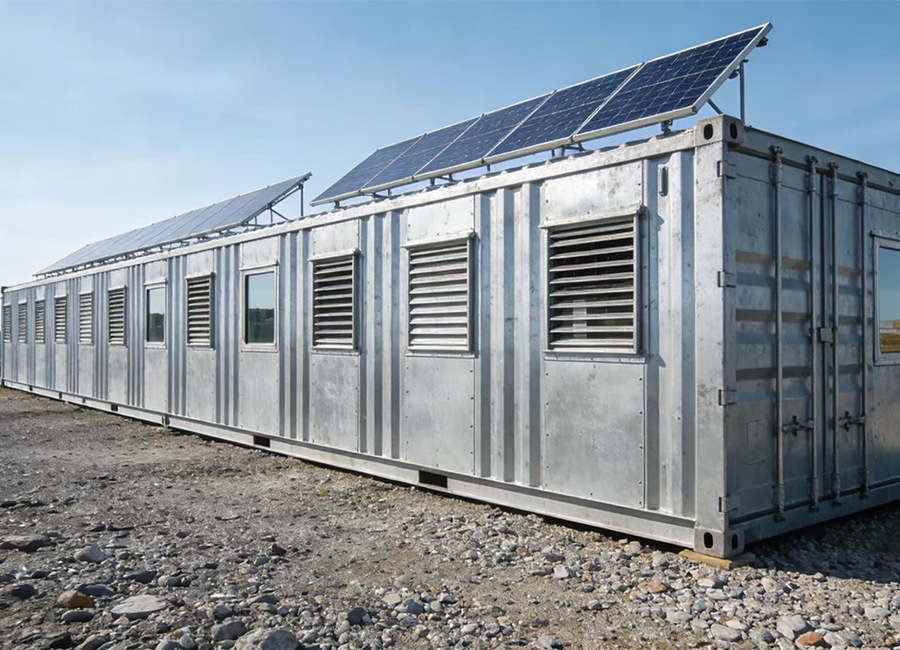
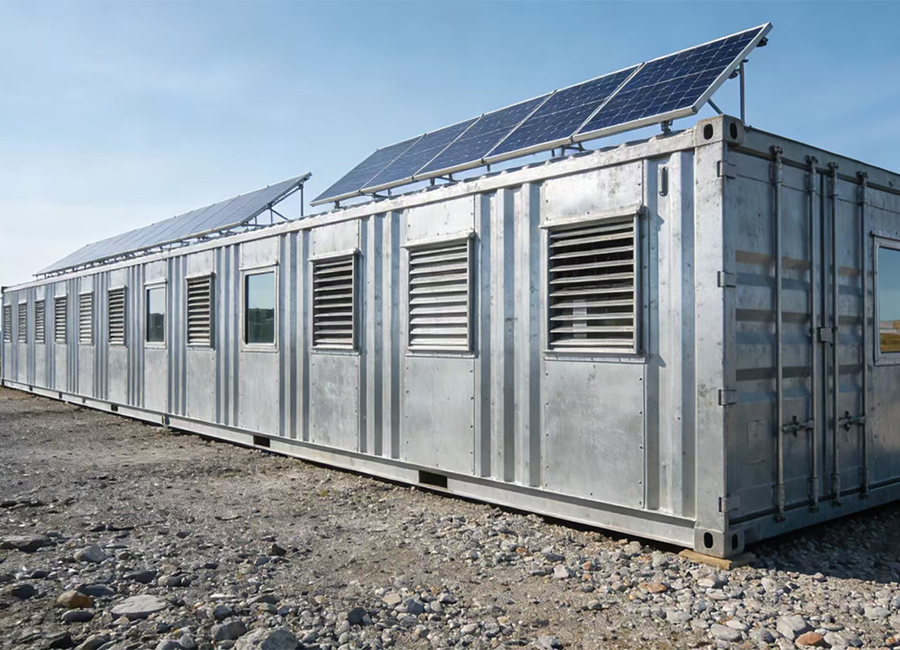
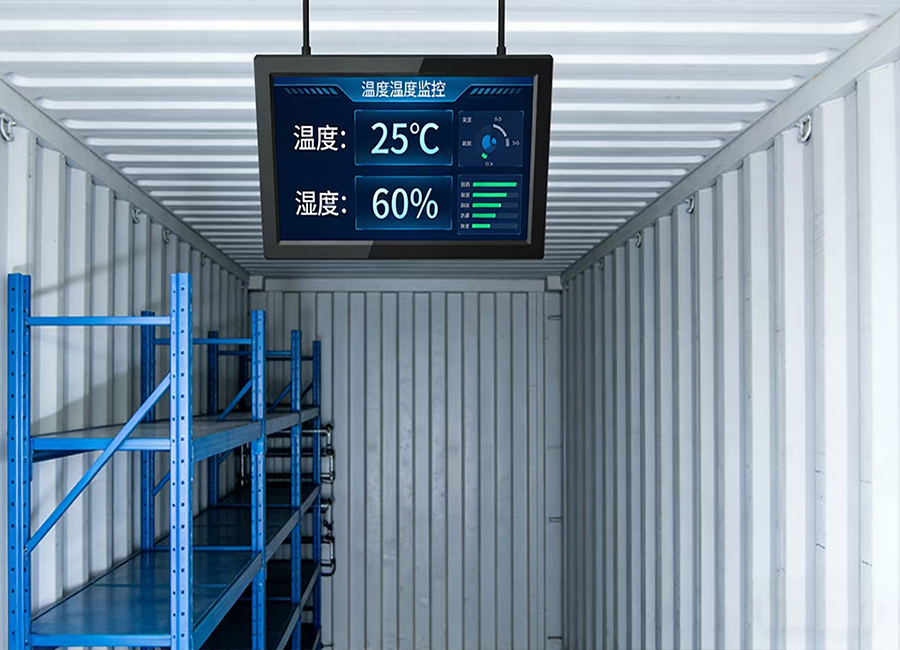
This model uses a 20-foot standard shipping container with an area of 15 square meters as the carrier. It is specifically modified to adapt to the growth habits of ducks and geese. The container is treated for insulation and heat preservation, equipped with adjustable ventilation windows, and additional cooling water curtains or warm air equipment are installed in the north and south areas to control the suitable growth temperature. The interior is divided into feeding, feeding, and drinking areas. The bottom is hardened and sloped to guide the sewage flow, and a special manure collection board is laid. Automatic manure removal, feed troughs, and nipple drinkers are provided to achieve dry and wet separation and clean sewage diversion. At the same time, small water play areas are set up to meet the ducks and geese's love for water. The feces are collected and fermented into organic fertilizer, and the sewage is filtered and recycled. The entire process is zero pollution and zero emissions, completely solving the environmental protection problems of traditional farming.
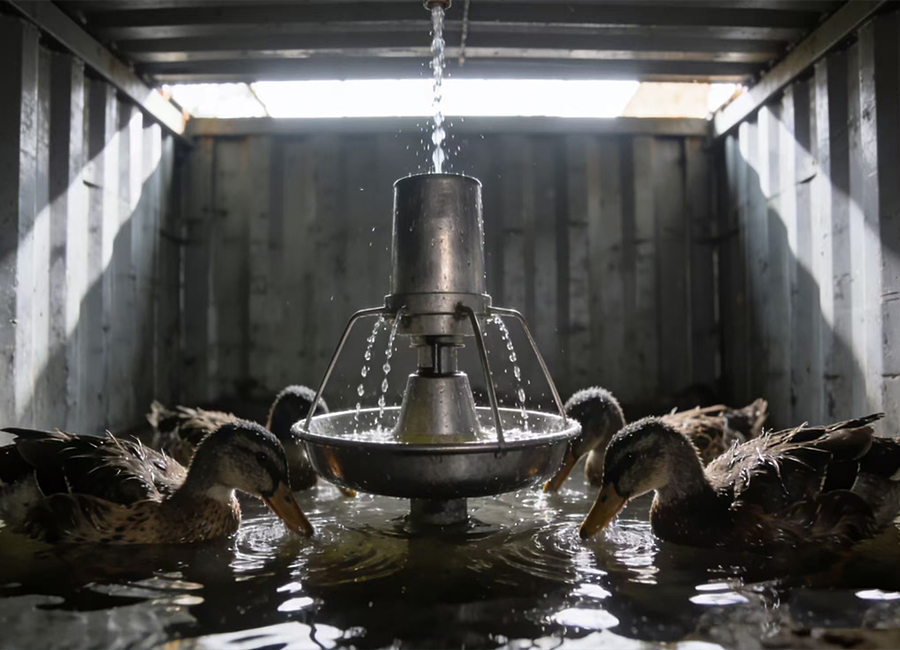
The management and breeding need to focus on key points. 20-foot container meat ducks can be raised with 100-120 ducks, and meat geese with 60-80 geese. The density is moderate and not crowded. The temperature control, feeding, and disease prevention should be done in stages. The container has strong sealing, which can block the spread of external bacteria, significantly reducing the incidence of diseases, reducing the dosage of medication, and ensuring safer meat and egg quality. The daily management is simple, and one person can manage multiple containers. The labor cost is significantly reduced.
Compared with the traditional model, containerized farming has prominent advantages: it does not occupy farmland, can be placed on idle land, is movable and easy to connect, and saves over 75% of land; the environment is controllable, the growth cycle is shortened, the feed utilization rate is high, the comprehensive breeding cost is reduced by 20%-30%, and the ability to resist natural disasters and market risks is stronger.
This model aligns with the trend of green farming, takes into account both economic and ecological benefits, is easy for beginners to master, has low trial-and-error costs, can be used as an additional income source for farmers, and can be scaled up. It is a practical new path for the transformation and upgrading of waterfowl farming, with broad development prospects.