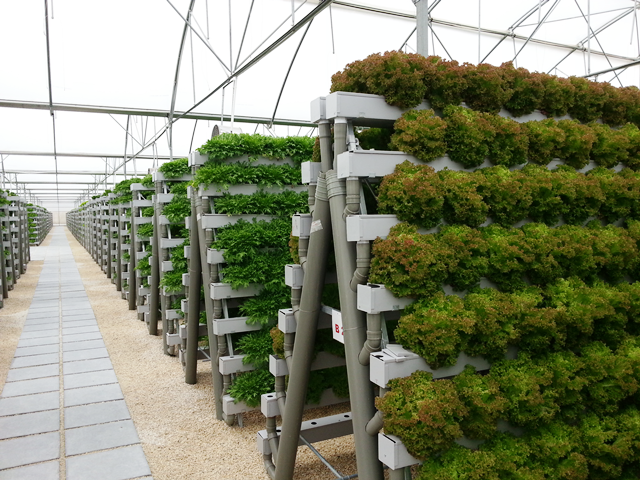
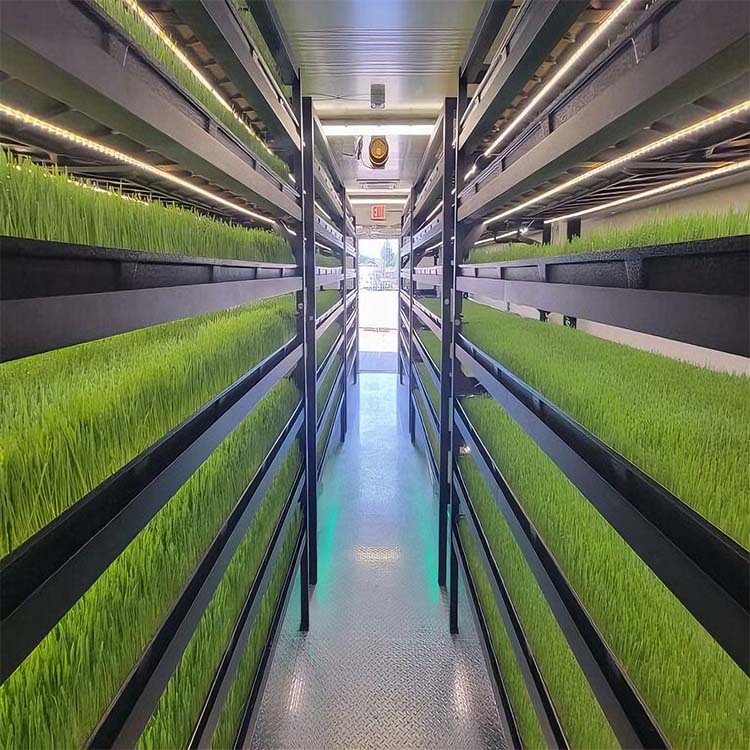
Unlocking Efficient Greenhouse Leafy Vegetable Cultivation: The Space-Saving, Yield-Boosting, Cost-Reducing Logic of Big A Hydroponic Rack
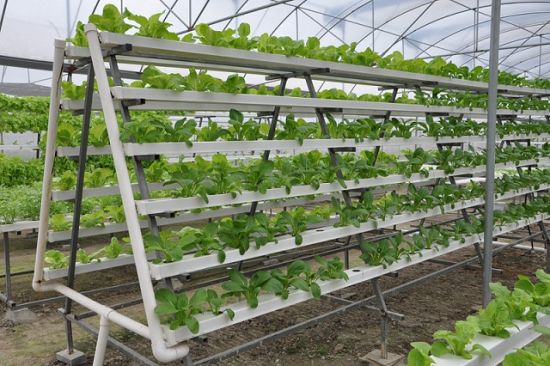
1. Space Saving: The "Vertical Planting Magic" of A-Shaped Structure
2. Yield Boosting: Precise Nutrient Supply of Hydroponic System
Better Root Environment: The circulating nutrient solution continuously supplies oxygen and nutrients to the roots, avoiding common problems such as soil compaction, diseases, and pests in soil cultivation, resulting in developed and healthy roots of leafy vegetables;
Faster Growth Rate: Leafy vegetables have precise requirements for nutrients such as nitrogen, phosphorus, and potassium. The hydroponic system can customize the nutrient solution formula according to the growth cycles of different varieties such as lettuce, oak leaf lettuce, and spinach, making the growth rate of leafy vegetables 30%-50% faster than that of soil cultivation;
Shorter Harvest Cycle: Taking lettuce as an example, traditional soil cultivation takes 45-60 days to harvest, while lettuce grown with the Big A Hydroponic Rack can reach the harvest standard in 30-40 days. The number of harvests throughout the year increases significantly, and the total yield naturally rises.
3. Cost Reducing: Efficiency and Loss Optimization in the Whole Process
Reduced Labor Cost: The A-shaped structure allows planting, harvesting, and maintenance to be completed "in one stop" in the three-dimensional space, without the need for frequent bending and handling, and labor efficiency is improved by at least 50%;
Reduced Water and Fertilizer Loss: The nutrient solution of the NFT hydroponic system can be recycled, with a water utilization rate of more than 90% (only 30%-50% in traditional soil cultivation), and fertilizer loss is also greatly reduced. The water and fertilizer cost per mu of leafy vegetables can be reduced by 40%;
Zero Pest and Disease Cost: Soilless cultivation cuts off the transmission path of soil-borne diseases and pests from the source. Leafy vegetables hardly need pesticides, which not only saves pesticide expenses but also produces "pesticide-free" high-quality leafy vegetables that meet the needs of high-end markets, with higher premium space.